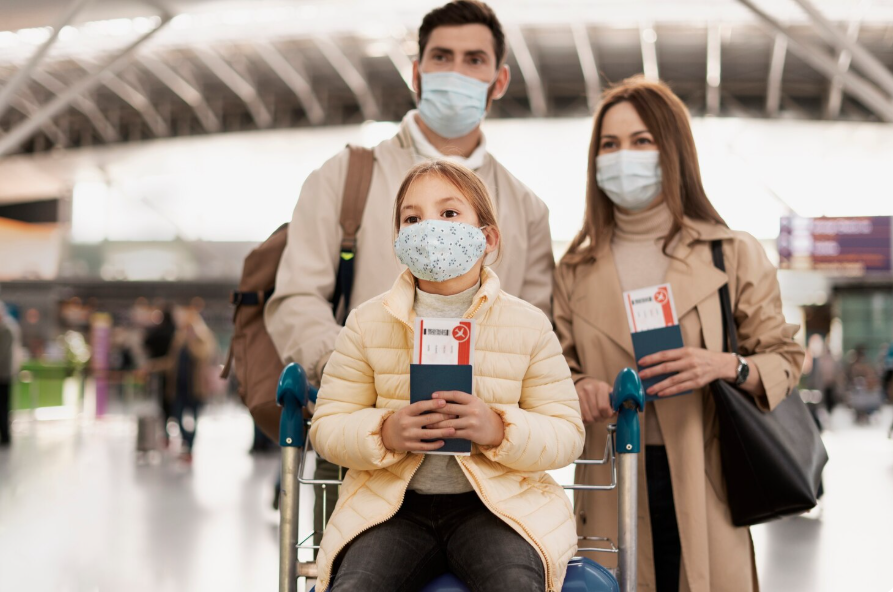
Traveling is exciting, but safety should always be a top priority. Whether exploring a new city, hiking in remote areas, or venturing abroad, being prepared helps prevent accidents, theft, and unexpected emergencies. By taking a few precautions and staying aware, you can enjoy your journey with confidence and peace of mind.
Why Travel Safety Matters
Prioritizing safety ensures that your trip is enjoyable rather than stressful. Travel-related incidents—such as theft, scams, health issues, or accidents—can quickly ruin your experience. Being proactive about safety allows you to:
- Reduce the risk of emergencies
- Protect your belongings and finances
- Maintain health and well-being
- Navigate unfamiliar environments confidently
Safe travel is not about fear; it’s about preparation and awareness.
Research Before You Travel
Knowledge is your first line of defense. Before your trip:
- Check travel advisories: Government websites provide safety information, crime rates, and regional warnings.
- Understand local laws and customs: Certain behaviors may be illegal or offensive in other countries.
- Know the area: Identify safe neighborhoods, nearby hospitals, and emergency contacts.
- Plan transportation: Use reputable taxis, ride-hailing apps, or public transit systems.
Being informed allows you to make smart choices and avoid risky situations.
Protect Your Belongings
Theft is one of the most common risks while traveling. Protect your belongings by:
- Using anti-theft backpacks, locks, and RFID-protected wallets
- Keeping passports, cash, and credit cards secure and separate
- Avoiding flashy jewelry or expensive electronics in public
- Being vigilant in crowded areas like airports, markets, and tourist sites
Smart handling of valuables reduces the chances of loss or theft.
Health and Wellness Precautions
Your health is crucial while traveling. Take preventive measures to avoid illness or injury:
- Vaccinations: Check if your destination requires specific vaccines.
- Travel insurance: Covers medical emergencies, trip cancellations, or lost items.
- Hydration and diet: Drink safe water and eat properly to avoid stomach issues.
- Medication: Bring necessary prescriptions and a small first-aid kit.
- Exercise caution in outdoor activities: Follow safety guidelines when hiking, swimming, or engaging in adventure sports.
Prioritizing health ensures you can enjoy your trip fully without setbacks.
Stay Connected
Staying connected provides an added layer of security:
- Share your itinerary with family or friends
- Use mobile apps for navigation, emergency alerts, and communication
- Keep important numbers handy, such as local authorities and your country’s embassy
- Consider a travel safety app to track your location and receive alerts
Being reachable and having access to help enhances your safety in unfamiliar environments.
Smart Travel Habits
Adopting safe habits minimizes risk:
- Avoid walking alone at night in unfamiliar areas
- Trust your instincts; if a situation feels unsafe, leave immediately
- Limit alcohol consumption to maintain awareness
- Keep emergency cash separate from your main wallet
- Make copies of important documents and store them digitally
Simple, consistent habits can prevent most common travel-related issues.
Safety During Transportation
Transportation can pose specific risks, so be cautious when:
- Driving: Follow local traffic laws, avoid risky roads, and ensure your rental vehicle is secure.
- Public transit: Watch your belongings and avoid empty or poorly lit stations.
- Flights: Confirm airline safety measures and keep luggage secure.
- Boating or adventure sports: Wear life jackets and follow all safety instructions.
Being alert during transit helps prevent accidents and mishaps.
Safety Abroad
Traveling internationally requires extra care:
- Learn local emergency numbers
- Avoid political demonstrations or unsafe neighborhoods
- Respect local customs to prevent unwanted attention
- Monitor travel advisories and stay updated on regional developments
International awareness ensures you can handle unfamiliar situations with confidence.
Final Thoughts
Travel safety is about preparation, awareness, and smart choices. By researching destinations, protecting belongings, prioritizing health, staying connected, and adopting safe habits, you minimize risks and maximize enjoyment.
Safe travelers can focus on the excitement, exploration, and memories of their journey rather than worry about potential dangers. With careful planning and vigilance, every trip can be both adventurous and secure, leaving you free to embrace new experiences confidently.