Introduction to the Future of Education
The future of education is rapidly evolving as technology, innovation, and new teaching methods reshape how people learn. Traditional classrooms are transforming into digital and hybrid learning environments that prioritize accessibility, personalization, and skill development. Understanding the future of education helps students, educators, and institutions prepare for a system that emphasizes adaptability, creativity, and lifelong learning.
Key Trends Shaping Modern Learning
Several key trends are influencing the future of education. Digital education platforms, online courses, and virtual classrooms are becoming increasingly common. Personalized learning approaches tailor education to individual student needs, improving engagement and outcomes. Artificial intelligence and adaptive learning systems provide real time feedback and data driven insights. Collaboration tools allow students to work together globally, creating a more connected learning experience.
Impact of Technology on Education
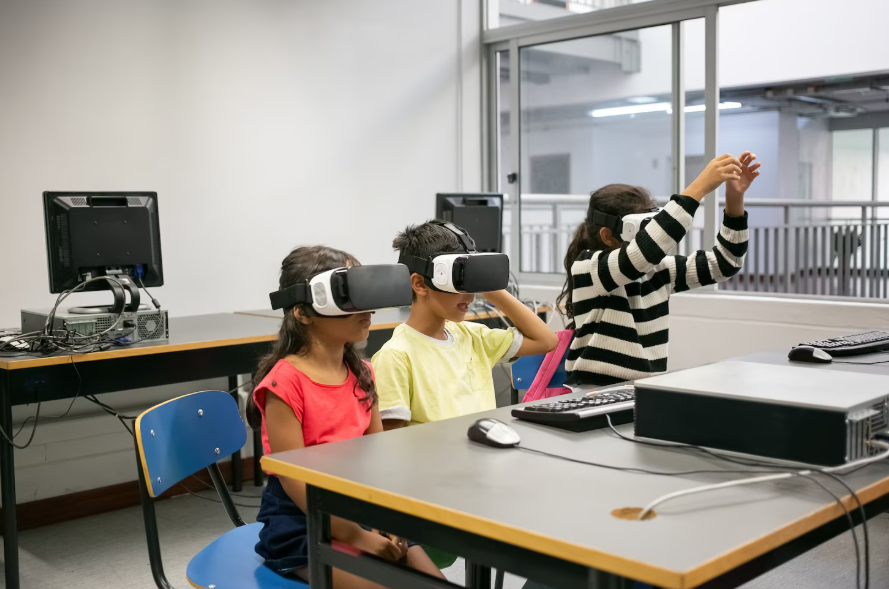
Technology is central to the future of education. Learning management systems organize and deliver content efficiently. Interactive multimedia tools such as videos, simulations, and virtual reality enhance understanding and engagement. Artificial intelligence helps identify knowledge gaps and customize learning paths. Technology also allows access to global resources, giving students opportunities to explore diverse perspectives and information beyond traditional textbooks.
Personalized and Adaptive Learning
Personalized learning is a major trend in shaping the future of education. Each student has unique strengths, interests, and learning styles. Adaptive learning technologies use data to adjust lessons in real time, ensuring students receive the right level of challenge and support. This approach encourages self paced learning, critical thinking, and independent problem solving, making education more effective and inclusive.
Hybrid and Flexible Learning Models
The future of education emphasizes hybrid and flexible learning models. Blended approaches combine in person instruction with online learning, allowing students to learn anytime and anywhere. Flexibility in scheduling and curriculum delivery supports diverse learners, including working professionals, remote students, and lifelong learners. These models help bridge geographical and social gaps in education access.
Role of Teachers in the Future of Education
Teachers remain central to the learning experience even as technology advances. Their role is shifting from knowledge providers to facilitators, mentors, and guides. Educators support students in navigating digital tools, fostering creativity, critical thinking, and collaboration. Professional development for teachers is essential to help them adapt to evolving educational environments and integrate new technologies effectively.
Skills for the Future
The future of education focuses on developing skills needed in a rapidly changing world. Critical thinking, problem solving, digital literacy, and emotional intelligence are emphasized alongside traditional academic knowledge. Collaboration and communication skills are increasingly important as students work in diverse and global teams. Preparing students with these skills ensures they are ready for the challenges and opportunities of the modern workforce.
Global Access and Equity
Expanding global access is a key aspect of the future of education. Online platforms and digital resources make high quality learning available to students regardless of location or socioeconomic status. Efforts to provide equitable access to technology, internet connectivity, and educational content are critical for reducing educational disparities. Inclusive education ensures all learners have the opportunity to succeed.
Challenges and Considerations
Despite the benefits, the future of education faces challenges. Ensuring data privacy, cybersecurity, and digital equity are critical concerns. Over reliance on technology may impact social interaction and hands on learning experiences. Balancing innovation with effective teaching methods and maintaining quality standards are ongoing considerations for educators and institutions.
Conclusion
The future of education is being shaped by technology, personalized learning, and global collaboration. Flexible, hybrid, and adaptive learning models are improving access, engagement, and outcomes for students worldwide. Teachers, institutions, and learners must embrace these trends to prepare for a dynamic and evolving educational landscape. By focusing on skills, equity, and innovation, the future of education promises to empower individuals and create lifelong opportunities for growth and success.